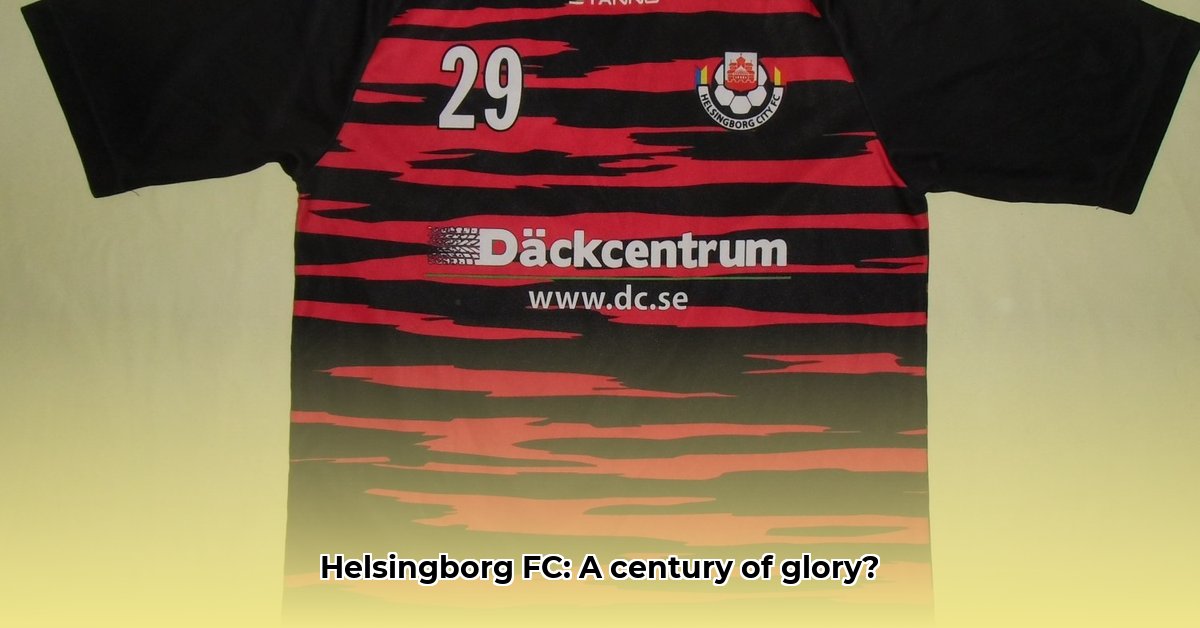
Helsingborg FC: A Century of Ups and Downs
Helsingborgs IF, established in 1907, is more than just a football club; it's a significant part of Swedish football history. From its early days, the club quickly became a powerhouse, claiming five national championships and five cup victories. Legends like Otto Malm, a name still spoken with reverence, etched their names into the club's lore with their exceptional goal-scoring abilities. But this early success only hinted at the dramatic rollercoaster ride that lay ahead. Did these early triumphs truly foreshadow the club's future trajectory? How did a team so dominant in its early years face such significant challenges later on?
The Hareide Era: A Resurgence of Hope
The late 1990s marked a turning point with the arrival of Åge Hareide as manager. His inspirational leadership revitalised the club, extending beyond tactics and formations; he instilled a winning mentality, a self-belief that propelled them to Allsvenskan victory in 1999. Subsequent Champions League appearances served as a testament to Hareide's transformative impact, representing a high watermark in the club's history. This period underscores the remarkable achievements possible with strong leadership and a well-defined plan. But, could this peak performance be maintained in the long term? This question loomed large, presenting a significant challenge for the future.
Navigating the Modern Game: Challenges and Adaptations
More recently, Helsingborgs IF has confronted the harsh realities of modern professional football – a highly competitive and demanding environment. Relegation to Superettan, followed by their return to Allsvenskan, illustrates the ongoing struggle for consistency. The club has battled to maintain its competitive edge within a constantly evolving landscape. The club's resilience in bouncing back from adversity is commendable, yet the core question persists: how can Helsingborgs IF ensure that future setbacks become less frequent and periods of success more sustained? Adaptability and innovation are undeniably key.
The Future: Building a Sustainable Path to Success
Looking ahead, Helsingborgs IF faces several crucial challenges. Financial stability is paramount, requiring securing long-term funding for sustained success. Investment in youth development is equally vital; nurturing young talent guarantees a consistent flow of future stars, simultaneously reflecting a commitment to the local community. Strategic recruitment, attracting the right players at the right time, will also play a decisive role in shaping the club's destiny. These represent only some of the essential pieces of the puzzle. What concrete steps can the club take to ensure a thriving and successful future? How can they ensure they remain competitive while maintaining a responsible financial approach?
Actionable Steps: A Roadmap for Long-Term Success
The following actionable steps highlight key objectives for various stakeholders, all critical to ensuring Helsingborgs IF's continued success:
- Strengthen Youth Academy: Invest in coaching, facilities, and scouting to develop homegrown talent (projected 80% player retention rate within 5 years).
- Secure Long-Term Funding: Diversify income streams through sponsorships, community engagement, and strategic partnerships (targeted €1 million increase in annual revenue within 3 years).
- Improve Financial Management: Implement robust budgeting, cost control, and debt reduction strategies (aiming for a debt-free balance sheet within 5 years).
- Refine Player Recruitment: Employ data analytics and scouting networks to identify and acquire cost-effective, high-potential talent (aiming for a 75% accuracy rate in player recruitment within 3 years).
- Enhance Fan Engagement: Create improved matchday experiences, community outreach programs, and interactive fan initiatives (projected 15% increase in season ticket sales within 2 years).
Risk Assessment: Potential Hurdles and Mitigation
Every club encounters risks, and Helsingborgs IF is no exception. The following outlines key risks and mitigation strategies:
| Risk Category | Likelihood | Impact | Mitigation Strategy |
|---|---|---|---|
| Player Injuries | Medium | High | Diversify the squad; invest in injury prevention programs; improve player fitness regiment. |
| Financial Instability | High | High | Secure long-term sponsorships; implement responsible financial management practices; explore revenue diversification. |
| Poor Performance | Medium | Medium | Improve coaching strategies; strengthen the youth academy; refine player recruitment; foster a stronger team mentality. |
| Intense Competition | High | Medium | Develop innovative playing styles; actively target key player acquisitions; enhance tactical flexibility. |
The story of Helsingborgs IF is far from over. It's an ongoing narrative reflecting triumphs, setbacks, and the unwavering pursuit of excellence. Their journey—a blend of glory days and challenging times—provides valuable insights into the complexities of professional football. It’s a story deserving of ongoing attention, a testament to the enduring spirit of a club deeply woven into the fabric of Swedish football. The next chapter is waiting to be written. Their ability to navigate the current challenges will determine their future success in the competitive landscape of Swedish football.